










 /
5.0
Rating
/
5.0
Rating

 /
4.9
Rating
/
4.9
Rating











 Lets Talk Ai


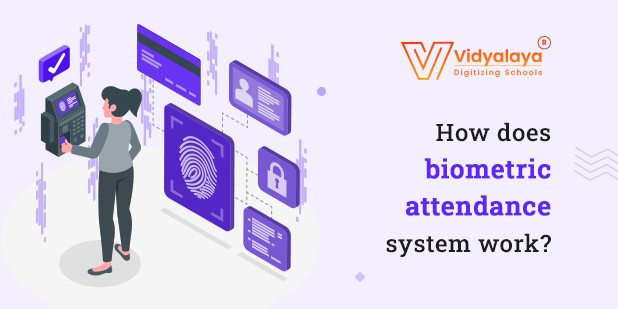
In this article, we will discuss how the Biometric Attendance System works.
What is the Biometric attendance system software?
A biometric attendance system is a type of technology that uses unique physical or behavioural characteristics to identify and verify individuals. These characteristics include fingerprints, facial recognition, iris scans, and more. In this blog post, we will focus on fingerprint attendance systems and how they work.
Fingerprint attendance systems use software that captures an individual’s fingerprint and compares it to a pre-existing database of fingerprints. The software then verifies the individual’s identity based on the comparison. The process typically takes less than a second and is highly accurate.
The first step in using a fingerprint attendance management system is to enrol individuals by capturing their fingerprints and storing them in a database. This can be done using a fingerprint scanner, which captures an image of the individual’s fingerprint and converts it into a digital template. The template is then stored in the system’s database for future comparisons.
Once individuals are enrolled, they can use the attendance software to clock in and out of work or other events. The process is simple: the individual places their finger on the scanner, and the software compares the captured fingerprint to the templates stored in the database. If the fingerprints match, the software verifies the individual’s identity and logs their attendance.
One of the main benefits of fingerprint attendance software is that it eliminates the need for traditional timekeeping methods, such as punch cards or manual sign-in sheets. This not only saves time but also reduces the potential for errors, and it also increases security by eliminating the possibility of buddy punching.
The software used in a fingerprint attendance system is responsible for managing the enrolment process, storing and retrieving the fingerprint templates, and comparing them to the fingerprints scanned at the time of attendance. This software is typically integrated with other software, such as payroll or HR Management Systems, to automatically update attendance records and calculate hours worked.
One of the key benefits of biometric attendance Software is the high level of security it provides. Fingerprints are unique to each individual and cannot be easily replicated, making it difficult for anyone to impersonate another person to gain access to the system. Additionally, the system can be configured to only grant access to authorized personnel, further increasing security.
Another benefit of an attendance system is the increased efficiency it provides. By eliminating the need for manual sign-in sheets or ID cards, the system can significantly reduce the time and effort required to track attendance. Additionally, the system can be configured to automatically calculate hours worked and update payroll records, further reducing administrative tasks.
Another important aspect of the attendance system is data privacy. As the system is storing sensitive personal information, such as fingerprints, it’s important that the data is stored securely and protected against unauthorized access. Many biometric fingerprint attendance systems use encryption to protect the data, and many comply with relevant data protection regulations.
In conclusion, fingerprint attendance management software is an effective and efficient way of tracking attendance using an individual’s unique physical characteristics. By using a fingerprint scanner and accompanying software, the system is able to verify an individual’s identity and record their attendance. With a high level of security, increased efficiency, and data privacy compliance, this type of attendance system is a valuable tool for any organization.
Things to Keep in Mind When Buying Biometric Attendance Systems:
Keep the following in mind when buying a biometric attendance system. Additionally, confirm that your employee attendance and time management policy are up to par.
Data Security:
Because each person’s fingerprint is distinct, the security of storing them in a system will always be a concern. This information could be used by criminals. As a result, when looking for biometric attendance technology, it’s crucial to understand how the data is handled and stored securely.
User interface:
The software’s dashboards and user interfaces (UX) must be approachable and shouldn’t require staff members to undergo a lot of training before they feel at ease using them. Organizations may make sure that data can be accessible at any time and from any location thanks to the software of the attendance system.
Cost of the system:
There are two types of technology used in biometric attendance Software: fingerprint and retinal. There are several ways to collect and store a fingerprint image, but the image-based technique is the most common. Although this type of attendance system is less accurate, it is less expensive because the technology is simpler.
The second sort of attendance system technology used is capacitor technology. This type of biometric scanning, which is much more accurate, is used in large corporations that use biometric attendance systems to handle sensitive data.
Availability on Cloud:
Biometric attendance Software now has access to a variety of ports. The mobile application for the programme allows employees to sign in from any location.
This is crucial, particularly for businesses that permit employees to work remotely under specific circumstances. These solutions ensure that even remote employees can clock in and start working on schedule because it is becoming typical for jobs to not require an employee to be physically present in the office.
Automated fingerprint attendance systems have applications across all sectors where data validation, assets, resources, etc., are concerned. These solutions can be used by consulting firms, labour management organisations, financial enterprises, software companies, and more.
The main objectives of implementing this form of technology are employee time and attendance, payroll administration, human resources management, customer identification, and employee identity.
Stakeholders have access to the attendance records of blue-collar workers in real-time thanks to Better Place’s superior algorithms and cutting-edge technologies. You will have no trouble complying with the contract labour standards while keeping track of the names of personnel and the number of hours they put in.