
















What Is A
Virtual Classroom Management Software?
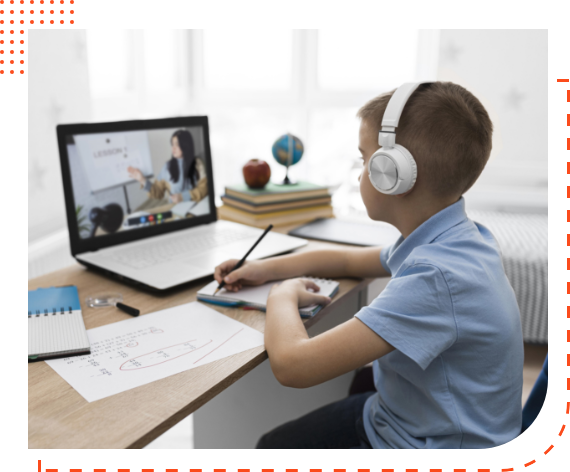
As the learning experience has been enhanced with new technologies like e- learning, e-exams the traditional classroom-led method has become an old school concept. Traditional benches, blackboards, and tutors moving through the benches are replaced by virtual or online classroom software. In these sessions, tutors and learners are interconnected through the internet, and the online learning environment is called virtual classrooms Students connect with teachers anywhere, anytime through an interactive online classroom management software virtually. New tools like online whiteboards, video conferencing, participation controls, instant messaging are needed for this new-age learning method. These online class management software provide an abundance of opportunities especially when embedded with school management system. Virtual classroom software breaks the synchronous hurdles of location, place, student limits and caters the knowledge to the learning crowd.

The Best Virtual Classroom Software :
Vidyalaya Online Classroom Integration provides an online learning environment that allows for live interaction between the tutor and the learners as they are participating in learning activities. The students can interact with the teachers & educators to solve their doubts, share the essential study materials. Vidyalaya School Software provides you with such easy to use interactive online classroom integration for the ease of learning of the students. It provides a fully decked out document storage, chat, and online teaching environment.
Features
Discover Our Specialized Features
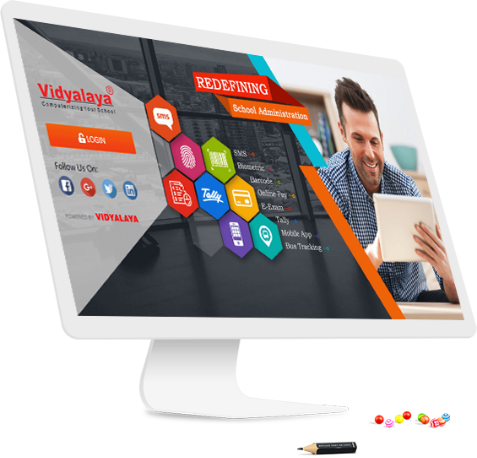
Explore the core features that power educational institutions worldwide. Vidyalaya’s robust suite covers everything from School Management and LMS to Library and Attendance systems—all under one intelligent platform.


2000+
Esteemed Client
“The sole reason we are in business is to make school administration less difficult for our clients.”















Benefits Of Vidyalaya Virtual Classroom App
Vidyalaya software offers enormous benefits over traditional, synchronous learning. It covers the entire learning journey in the redefined form in collaboration with advanced technology. This virtual classroom app provides the online learning environment along with other striking benefits as mentioned below:

Personalized Learning
All in one single platform
Distant Learning
Anytime, Anywhere Access
Group Discussions Forum
Online project submissions
Encourages Digital India
Improves Visualisation
What's New?
Find Latest Technology News, Blogs & More.
How Online Classroom Software is changing the current education System?
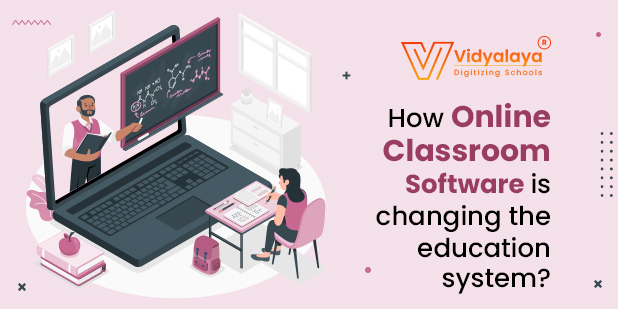
We have seen the evolution of the education system over the years, like from Gurukul to various boards-affiliated schools. And, now from classrooms to virtual ...
Get more details
The Ultimate Guide to Virtual Classroom Benefits for Education Sectors
Well, attending the physical campus, the virtual classroom has its advantages and disadvantages. Among the many advantages of online education ...
Get more details
How can schools bring effective classroom management?
To match the variant form of learning, every school need an upgrade. As the education industry is diverting its path to move on the technology-based roadmap, every core activity needs to be transformed ...
Get more detailsContact!
Ready To Begin Your Journey With Vidyalaya?
Share your details and our team will take you through the next steps of connecting with us.
25+
Years Legacy
2000+
Happy Clients
1800+
Reports
96%
Client Retention


How can we help you?
FAQ
Frequently Asked Questions On School Portal
1. What do virtual classrooms do?
Websites or software applications that facilitate online learning and teaching are known as virtual classrooms. They digitally reproduce many components of traditional learning environments. Virtual classrooms enable professors to provide live, interactive courses to their students while sharing educational materials and gauging their progress using collaborative technologies like chat, video conferencing, and the Internet. Since they can be accessible from any location with an internet connection, these platforms increase the flexibility and accessibility of education for students worldwide. The ability to record sessions, provide assessments, and track student attendance and involvement make virtual classrooms useful tools for formal educational institutions and corporate training programs.
2. What are the benefits of virtual classroom software?
Software for virtual classrooms has several advantages for both teachers and students. It enables remote learning, enabling access to education from any location with an internet connection. The advantages include the ability to record sessions for later review and capabilities for evaluating student progress, as well as real-time engagement through video conferencing, chat, and collaborative tools. Virtual classrooms promote community among learners, increase participation and interaction in online learning, and provide schedule flexibility. They also lessen the demand for physical classroom space, increasing teaching efficiency and sustainability.
3. What's the difference between virtual classrooms and video conferencing software?
Video conferencing software and virtual classrooms both have their uses. Virtual classrooms include whiteboards, screen sharing, breakout rooms, and evaluation tools since they are mainly created for educational contexts. They concentrate on encouraging interactive learning and teamwork. In contrast, video conferencing software serves a broader range of purposes. It is often used for meetings and conversations rather than teaching since it lacks the specialized functionality found in virtual classrooms. Both platforms provide video communication, but virtual classrooms are designed for more formal education.
4. What are the Common Features of Virtual Classroom Software?
Video conferencing features, screen sharing, interactive whiteboards, chat and messaging, file sharing for distributing course materials, breakout rooms for group activities, attendance tracking, and assessment tools for quizzes and exams are all standard features of virtual classroom software. Some sophisticated virtual classroom platforms could also have capabilities like recording sessions, analytics for monitoring student performance, and LMS connection.
5. How can an Online Classroom Management System improve teaching efficiency and student performance?
By centralizing lesson planning, grading, and communication, an Online Classroom Management System reduces administrative tasks and enhances personalized learning. Teachers can track performance data and adapt instruction to individual student needs more effectively.
6. Is an Online Classroom Management System secure for conducting AI-based online exams?
Yes, many modern systems support AI-powered proctoring features like facial recognition, screen monitoring, and behavior tracking to ensure secure and fair exam environments, even during remote assessments.
7. Can Online Classroom Management Software support hybrid and remote learning?
Absolutely. Most classroom management platforms are built to support remote, hybrid, and in-person learning by offering real-time collaboration, cloud-based lesson delivery, and mobile accessibility.
8. How does AI integration enhance the Online Classroom Management experience?
AI helps automate routine tasks like grading, attendance, and performance tracking. It can also personalize content delivery, offer intelligent tutoring, and flag disengaged or struggling students early for timely intervention.
9. Are Online Classroom Management Systems customizable for different educational institutions?
Yes, leading platforms allow schools, colleges, and training centers to tailor modules, access roles, grading systems, and branding to meet their unique academic and administrative needs.
Still Have Query On How Online Class Software Works?
Call Now
Subscribe us and Get the latest updates and news