










 /
5.0
Rating
/
5.0
Rating

 /
4.9
Rating
/
4.9
Rating









 Lets Talk Ai


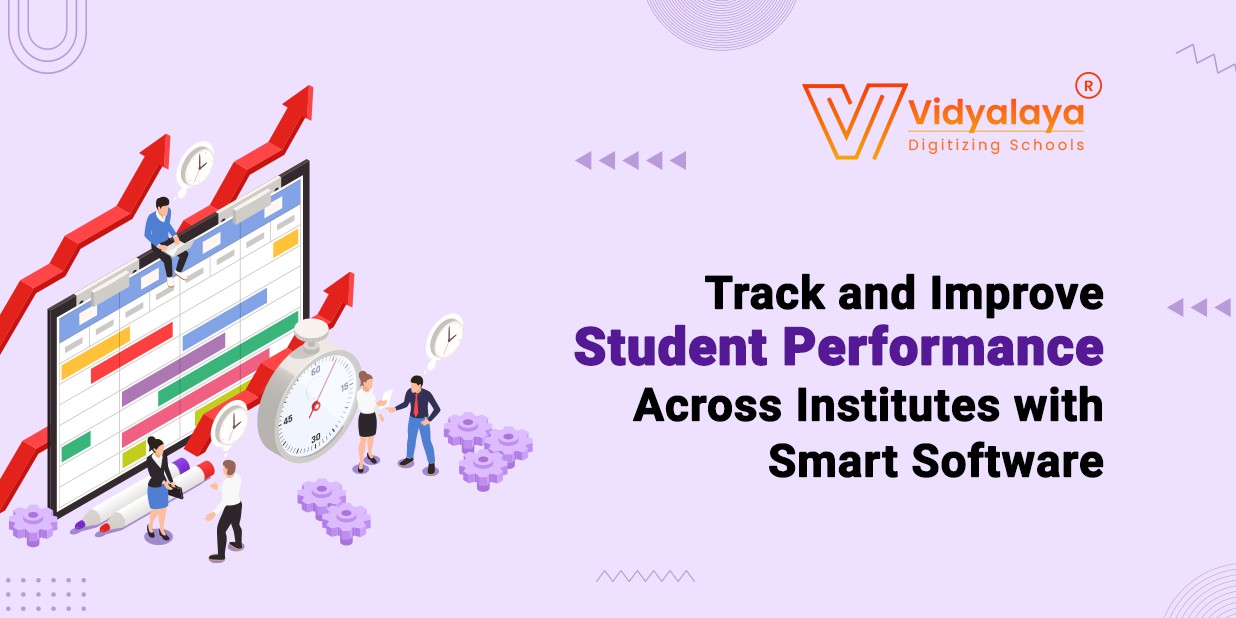
A while ago, I was talking to a teacher who said something that stuck with me. She said, “I see my students every day, yet sometimes I still don’t fully know how they’re doing.” Not because she didn’t care—but because there was just too much going on. Attendance registers, assignments, exams, parent calls, admin work… it all piles up. And when that happens, student performance slowly turns into numbers instead of stories. That’s where smart software quietly steps in, not to change education, but to make it manageable again.
When we talk about tracking Student Performance, it sounds like a very formal concept. It’s quite simple. It’s about knowing who is improving, who is struggling, and who might need a little more attention before things go wrong. Across institutes—especially large ones—this becomes hard to do manually. Smart software brings some order into this chaos, helping educators see patterns they might otherwise miss.
How did This Conversation start growing?
I don’t think institutes suddenly woke up one day and decided to track performance better. It happened slowly. Classes became bigger. Institutes expanded to multiple locations. Online and hybrid learning entered the picture. Suddenly, keeping an eye on Student learning outcomes wasn’t as easy as it used to be.
Earlier, exam results were enough. Now, they’re just one piece of the puzzle. Institutes want to know how students are progressing week by week, not just at the end of the year. This is where Student progress tracking started gaining attention. Once teachers and administrators experienced how much clarity software could bring, going back to spreadsheets felt exhausting.
That’s also why tools like the Student Information System have become popular. Everything—from basic student details to academic history—lives in one place. It’s not flashy, but it saves time and avoids confusion.
Why It Feels So Important Right Now?
If you look closely, education today is under a lot of pressure. Students are expected to perform better. Parents expect transparency. Institutes are expected to show results. But the teachers are still human. They can’t remember every detail about every student.
Smart systems help fill that gap. With proper Student Performance Analysis, institutes can understand trends instead of guessing. Maybe a student’s marks dropped because attendance slipped. Maybe an entire class struggled with the same topic. These insights matter because they allow action before problems grow.
I’ve heard teachers say they finally feel more confident during parent meetings—not because they memorized data, but because the system already had it organized. That kind of support reduces stress more than people realize.
Where Software Actually Makes a Difference?
One thing that often gets overlooked is how closely performance is tied to daily classroom activity. A good Classroom Management System helps teachers manage lessons, assignments, and assessments without extra effort. Performance data is built automatically as teaching happens. No extra reporting, no late-night spreadsheets.
For administrators, the benefit is consistency. When multiple institutes follow the same system, comparisons become easier. A centralized Student Information System ensures that student records don’t get lost when students move to classes or campuses. Everything stays connected.
And for students, progress feels more real. When they can actually see how they’re doing, learning stops feeling random. Student progress tracking gives them direction, not pressure.
Taking a Step Back:
The impact of smart software goes beyond reports and dashboards. From conversations I’ve had, the benefits feel surprisingly human.
- Teachers feel less overwhelmed by routine tasks
- Students understand expectations more clearly
- Parents trust the institute more because updates are visible
- Learning gaps are noticed earlier, not after exams
- Institutes make decisions with confidence, not assumptions
None of this feels revolutionary. It just feels sensible. And sometimes, that’s exactly what education needs.
Conclusion:
Tracking student performance is no longer just about reports—it’s about taking timely action. With a smart Classroom Management System, institutes can connect daily classroom activities with performance insights, helping teachers identify learning gaps early and support students more effectively. When student data is organized and accessible, decisions become clearer, communication improves, and overall academic outcomes grow stronger.
Vidyalaya School Software helps institutes simplify performance tracking through an all-in-one school management solution designed for modern education needs. If you’re looking to improve student performance while reducing administrative workload, contact us today for a free demo and see how our software can support your institute’s growth.