










 /
5.0
Rating
/
5.0
Rating

 /
4.9
Rating
/
4.9
Rating









 Lets Talk Ai


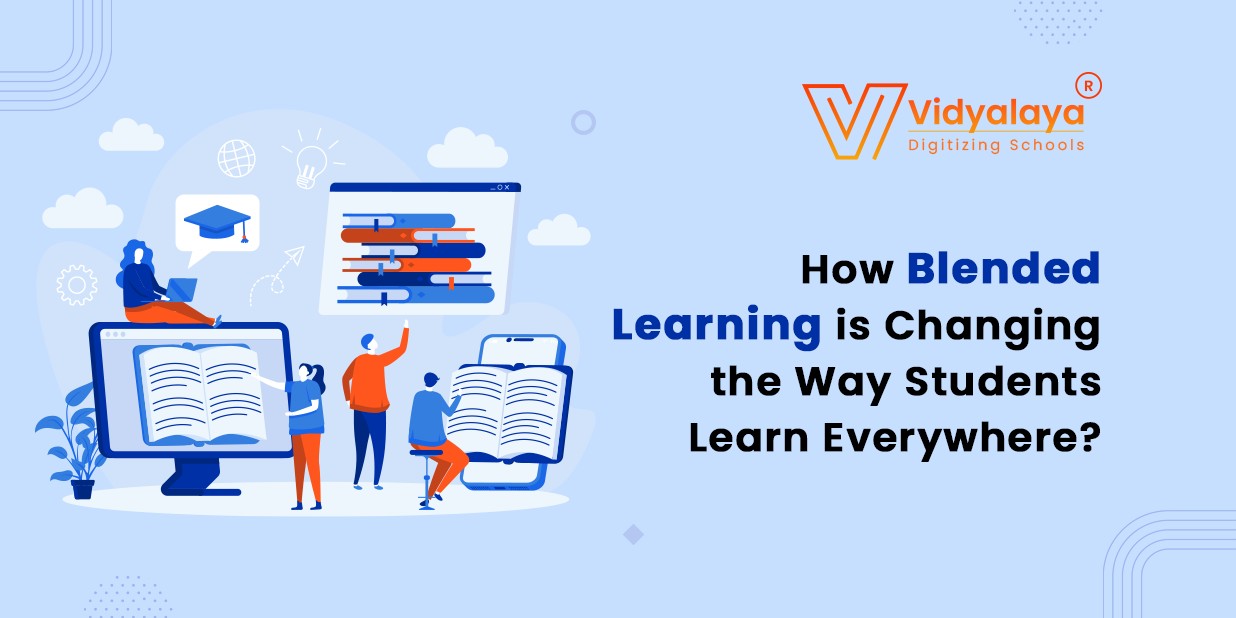
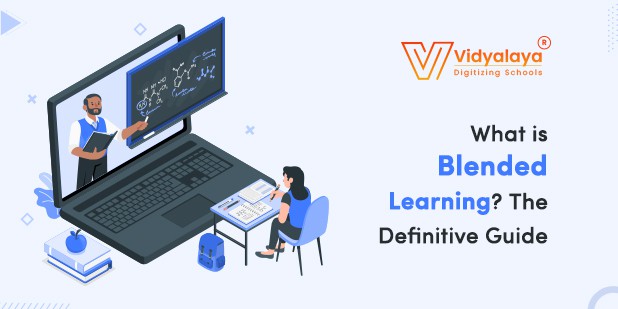
Blended learning has emerged as a powerful educational approach that combines traditional classroom instruction with digital learning technologies. By integrating face-to-face teaching with online tools and learning management systems (LMS), schools are transforming how education is delivered and experienced. This modern learning model enables institutions to improve academic outcomes while offering greater flexibility, personalization, and efficiency.
Over the past decade, rapid advancements in educational technology have reshaped the learning landscape. Schools are moving beyond conventional chalk-and-board teaching methods to adopt technology-driven solutions that support interactive, student-centric learning. As a result, blended learning has become a preferred strategy for educational institutions seeking to enhance teaching quality, streamline administration, and meet evolving student expectations.
It is not merely a passing trend—it is a strategic response to the changing needs of today’s learners. Students now expect engaging content, customized learning pathways, and the ability to learn anytime, anywhere. From K-12 schools to higher education institutions and professional training organizations, blended learning supported by robust school management software is helping institutions deliver consistent, scalable, and future-ready education.
Why Blended Learning Matters?
Traditional learning approaches typically utilize a singular strategy for the entire class to engage with material, even though this does not consider the difference in sthe peed at which students learn. Due to each student’s individual level of comprehension, there can be a mismatch between instructors’ teaching methods and students’ comprehension levels. Blending the interaction between students and instructors in a traditional classroom setting with the flexibility of different types of online instruction offers an answer to this challenge.
With the ability to proceed through a blended course at an individualized pace, blended learning also allows students to access teaching assistance and group collaboration. Additionally, blended learning caters to the development of digital literacy skills that are needed for students to be successful in college and in their careers, the skills that include being able to manage their own learning, manage their time, and use technology effectively, all of which are required beyond school and can positively impact their success as workers.
Growing Popularity of Blended Learning:
The rapid adoption of blended learning has occurred based on the availability of Internet access globally and the increased use of digital devices in education. While many educational institutions worldwide have begun to adopt blended learning as a means of maintaining student engagement, providing flexibility, and providing continuity of access to education, this technology has become very popular in educational institutions for many reasons:
- Students’ and teachers’ familiarity with digital technology has increased;
- Flexible learning schedules have become increasingly desired by both students and teachers.
- Education models must provide the ability to use both online and offline educational resources and provide resiliency for the student.
There is a current body of research documenting that institutions employing the blended learning model have experienced increased student engagement rates of 30% to 40% higher than traditional instructional models.
Key Blended Learning Benefits:
Blended learning provides a comprehensive method that uses both traditional classroom instruction and technology-based instruction, enabling teachers to maintain continuity of contact with their students while at the same time allowing for an independent learning environment.
Blended learning offers many significant advantages, including:
- The ability to tailor individualized learning paths based on the pace at which a student learns.
- Increased levels of participation from students, due to the inclusion of video, quiz, and interactive formats of study in the blended learning environment.
- The option to access course materials anytime and from any location.
Teachers can maximize their use of classroom time to focus more on engagement, problem-solving, and doing activities designed to increase student knowledge retention.
Blended Learning Types:
While the concept of Blended Learning (BL) remains constant at its core, the Model a school or university will choose to adopt will depend on its academic framework and student requirements.
The 3 most popular BL Models are as follows:
- Flipped Classroom Model, in which students learn the theory of a subject via online resources and then practice/aapplythat knowledge in a physical classroom.
- Rotation Model, which allows students to have a hybrid learning experience, whereby the student will rotate between online and traditional classroom sessions.
- Flex Model, where online learning takes precedence but provides opportunities for teacher support as needed.
All 3 BL Models give schools and universities the flexibility to create and develop student learning experiences that meet their needs.
Blended Learning vs eLearning:
While blended and eLearning share many similarities, they are two distinct forms of delivery for learning. The biggest difference between the two is that blended learning incorporates both classroom instruction and online components that allow for continuous interaction between instructors and students. On the other hand, all aspects of eLearning are done online without any physical classroom interaction.
The key difference in comparing blended versus eLearning is the amount of engagement from people. In a blended learning model, there are opportunities for structured collaboration and support, making this model a better fit in school systems and formal academic settings as opposed to eLearning.
Role of Learning Management Software:
The successful implementation of blended learning programs relies heavily upon the Learning Management System (LMS). It serves as a central hub for students, instructors, and their respective digital course materials.
The main functions of Learning Management Systems are:
- To provide a place to host all digital course resources (lecture videos and other media), as well as all online assessments.
- To manage assignments, feedback, and grading.
- To track attendance and student growth over time.
In addition to its core functionality, many LMSs provide built-in tools such as analytics and reporting, which help to enhance educators’ ability to effectively teach and provide great student experiences.
Future of Blended Learning:
Blended learning models will play a major role in shaping the future of education. Using advanced technologies such as Artificial Intelligence, Adaptive Learning, and Virtual Classrooms, blended learning will continue to become increasingly individualized & data driven.
As the use of Learning Management Systems (LMS) becomes more prevalent in educational institutions, they will provide deeper insights into Student’s achievements and patterns of behaviour. Schools using blended learning today will have an advantage and be positioned much better than schools that do not use such a model in meeting future challenges and changes in the expectations of Learners.
Conclusion:
Blended learning has become a strategic solution for educational institutions aiming to deliver flexible, engaging, and future-ready education. By integrating classroom teaching with digital platforms, schools and universities can enhance student outcomes, improve instructional efficiency, and streamline academic operations. Blended Learning in Higher Education is especially impactful, enabling institutions to support personalized learning, strengthen digital skills, and meet the evolving expectations of modern learners.
With the right school management and learning management software, institutions can successfully implement blended learning at scale. Vidyalaya School Software empowers schools and colleges with a unified platform to manage learning, track performance, and drive academic excellence. Contact us today for a free demo and discover how Vidyalaya can help your institution embrace blended learning with confidence and efficiency.