









 /
5.0
Rating
/
5.0
Rating

 /
4.9
Rating
/
4.9
Rating









 Lets Talk Ai


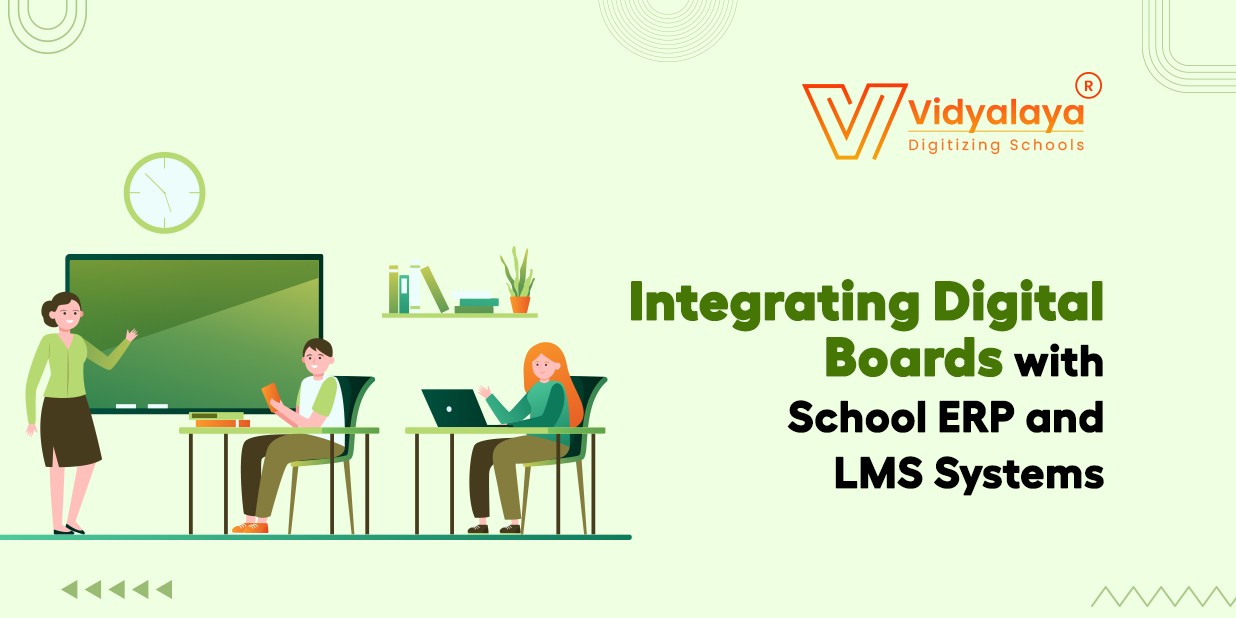
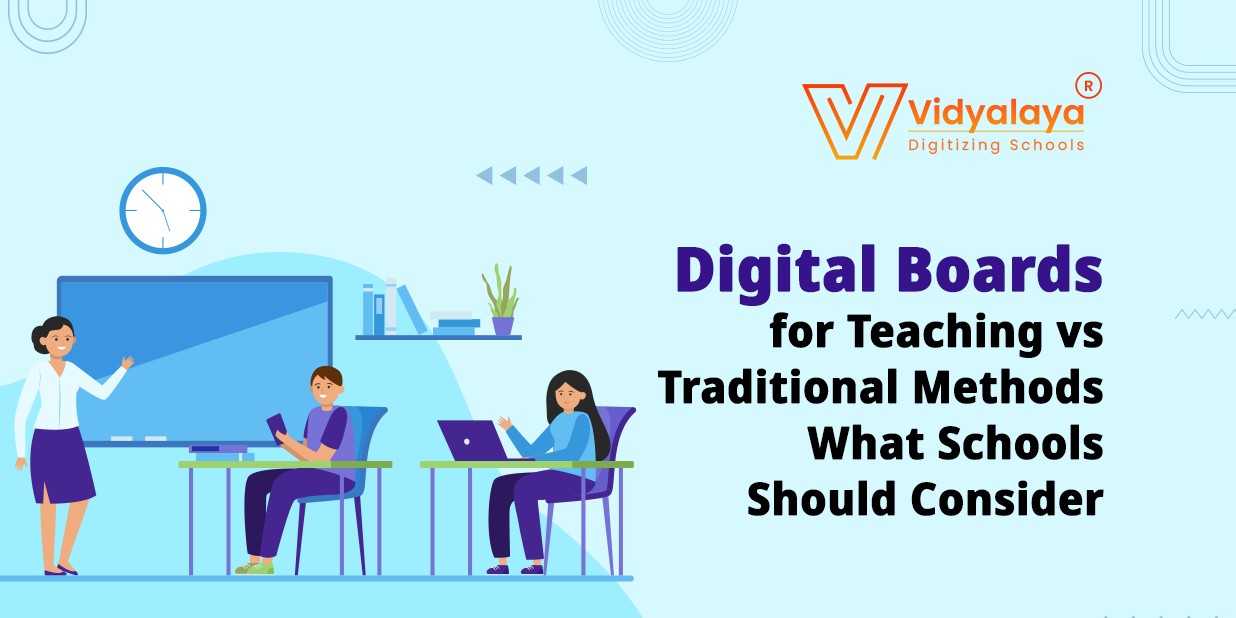
In today’s rapidly evolving educational landscape, technology has transformed how teachers deliver lessons and how students engage with learning. The transition from traditional blackboards to advanced smart solutions has been revolutionary, and one of the most impactful innovations is the use of Digital Boards for teaching. These boards bring interactivity, multimedia capabilities, and real-time collaboration to the classroom, creating a more engaging and effective learning environment for students.
The true potential of Digital Boards for teaching is unlocked when they are seamlessly integrated with School ERP and LMS systems. This integration enables schools to establish a comprehensive digital ecosystem where lesson planning, content delivery, assessments, and student performance tracking are all interconnected, streamlining administrative processes while enhancing educational outcomes.
In this blog, we explore how Digital Board integration, combined with Smart Classroom ERP and LMS systems, is revolutionizing modern education—making schools smarter, classrooms more interactive, and teaching more efficient than ever before.
Increasing Use of Digital Boards within the Modern Classroom:
The integration of digital technology into classrooms has accelerated somewhat faster than schools and institutions around the globe. Reports from the industry predict the worldwide interactive display market exceeding $10 billion by 2026, thus confirming that the shift toward greater immersive learning experiences will continue.
Digital Boards today offer more than the traditional presentation and provide new avenues for teachers to annotate their lessons, view video clips, attempt quizzes, and build rapport with students in real time. Digital Boards change lessons from static to active, visually stimulating, and aid in students remembering and understanding the information.
Digital Boards are participative, as compared to traditional boards. Teachers have instantaneous access to information on the internet, interactive simulations, and multimedia, effectively turning each classroom into a digital classroom.
Why Integrate Digital Boards with ERP and LMS Systems?
Digital Boards are powerful teaching tools on their own, but connected with School ERP and LMS Systems, they become a part of something larger: a data-driven learning ecosystem.
Here’s why integration matters:
- Centralized Management: Instructors can obtain course materials, attendance records, and assessments directly within the ERP or LMS.
- Seamless Lesson Delivery: Whatever is uploaded in the LMS can be immediately projected and engaged with on the Digital Board.
- Data Synchronization: The attendance and participation captured during the course will automatically sync to the ERP.
- Performance Information: Built-in analytics with real-time reporting on student performance and engagement.
This level of integration makes the teachers’ and administrators’ experience seamless, while beginning to integrate every classroom time into a larger learning management protocol.
Advantages of Smart Classroom ERP Integration:
The integration of Digital Boards into Smart Classroom ERP provides a host of operational and educational benefits.
For Teachers:
- Quick access to digital lessons and student data.
- Automatic attendance marking through ERP-linked devices.
- Digital Homework Assigning and Grading Abilities.
For Students:
- Interactive, visual, and engaging classroom experiences.
- Easy access to recorded lessons and shared materials.
- Real-time feedback through quizzes and digital submissions.
For Administrators:
- Centralized control over hardware and content usage.
- Improvement in monitoring teacher performance and student involvement.
- Appropriate use of school facilities and new media.
The unified system eliminates redundancy, thereby increasing productivity and ensuring transparency for every stakeholder within the school ecosystem.
LMS Integration for Digital Teaching:
An LMS is the digital bridge that connects classroom instruction to online learning. When Digital Boards are integrated with an LMS, they create a hybrid learning environment that’s interactive and flexible.
Here is how LMS integration for digital teaching is changing education:
- Unified Learning Experience: Lessons can be initiated from the Digital Board by the teachers themselves and continued online via LMS.
- Student-Centric Learning: All lessons, videos, and assignments are accessible anytime via their LMS accounts.
- Social Learning: Both in-person and distance learners can participate simultaneously in assessments and learning experiences.
- Data-Driven Insights: Analytics from the LMS allows educators to make informed decisions regarding the data of students’ performance and personalize their instruction.
This is important because it assures learning takes place beyond the four walls of education, whenever and wherever.
Overcoming Implementation Challenges:
While the benefits are immense, there are some obstacles schools may face while adopting integrated digital systems. These include:
- High Initial Cost: The initial investment in Digital Boards and integration software is quite costly.
- Training Requirements: Teachers may need training on using the technology effectively.
- Technical Maintenance: Updating the software regularly and providing support are necessary.
With proper planning, training, and support from the technology providers, however, these challenges can be managed effectively. The initial efforts have far more long-term benefits related to interactive learning and smoothing of operations.
Conclusion:
Integrating Digital Boards for teaching with your School ERP and LMS systems is no longer just a technological upgrade—it’s a strategic step toward transforming your school into a smart, efficient, and highly interactive learning environment. By connecting lesson delivery, student assessments, and administrative processes within a unified digital ecosystem, schools can enhance teaching effectiveness, simplify management, and foster better learning outcomes.
At Vidyalaya School Software, we specialize in helping schools harness the full potential of Digital Boards for teaching through seamless ERP and LMS integration. Take the first step toward a smarter classroom today.
Contact us for a free demo and discover how our solutions can elevate your school’s teaching and administrative efficiency. Let’s build the future of education together.