










 /
5.0
Rating
/
5.0
Rating

 /
4.9
Rating
/
4.9
Rating









 Lets Talk Ai


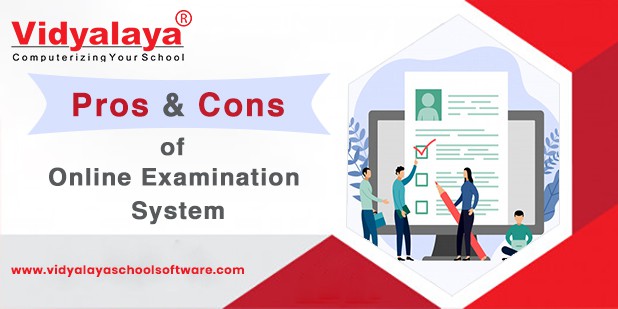
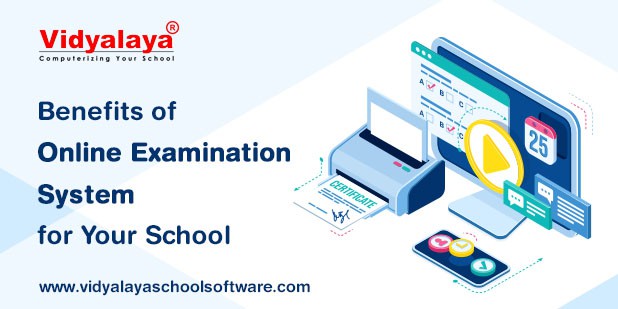
An online examination is the conducting of an examination or test online in order to measure students’ academic performance and their knowledge. Traditionally, these evaluations were conducted orally or through written tests. Students gather in an examination hall or room where a question paper is given to students, and students have to write answers within the allotted time period. These questions have not been seen previously to ensure a fair evaluation of all students. Students then submit their answer sheets, and after a period of time, their scores are declared.
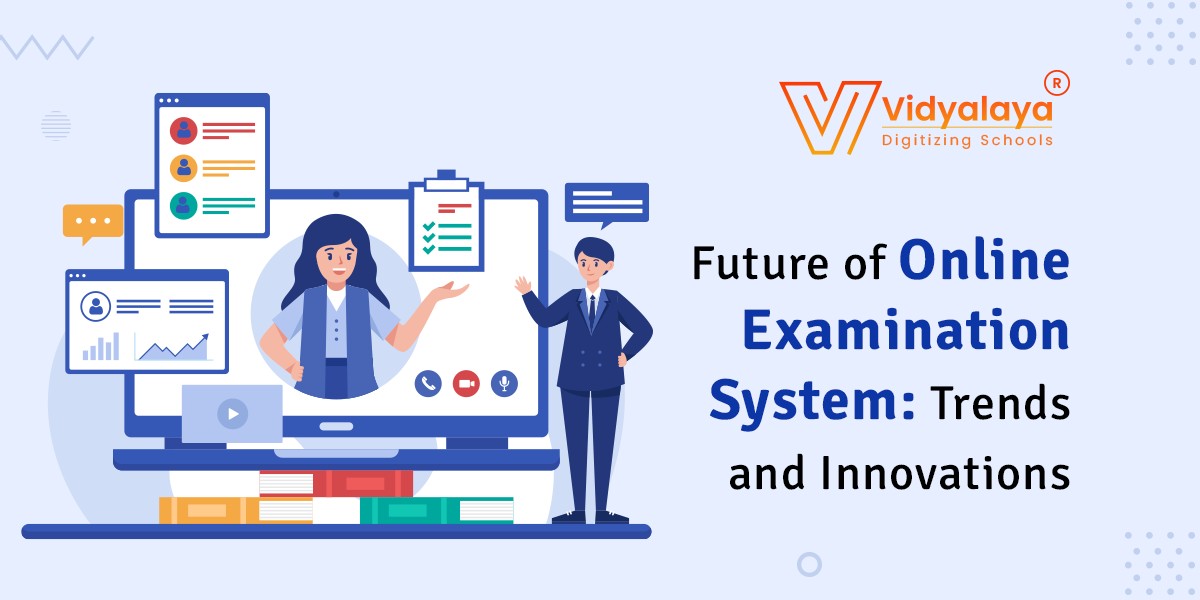
With an online examination, all these traditional elements continue to persevere; however, the mode of taking the test has changed – instead of a physical examination room, students log into an online examination portal or system through which they access the question paper and share their answers. Evaluation and the publication of results also happen within this particular portal or system.
Pros:
The advantages of implementing an online examination system at any educational institution are plenty. The following are some of the key points that are beneficial for any educational institute implementing an online examination system.
1. Environmentally Friendly:
Straight out of the gate, an online examination system cuts down the negative impact that traditional pen and paper exams have on the environment. The sheer amount of reduction in the use of paper is immense, and the wastage of paper is also restrained. In a world where students will be graduating into an environmental crisis being caused by climate change, this kind of eco-friendly initiative and forward-thinking approach to everyday processes is vital. Students will imbibe these values over the course of their education and will contribute to the environment.
2. Technologically Advanced:
Another key advantage of using the online examination system is that it integrates well into a technologically rich world. The use of pen and paper in professional situations is reducing vigorously. Most of the work is being done using email, text messages, computers for presentations, computer-based design, etc. Making students familiar with a variety of interfaces using this examination system is preparing them for the real world. It is very likely due to their familiarity with such an interface and processes, which would be helpful for events such as training and testing, even in the future.
3. Eliminates Labour Cost:
The sheer amount of resources that can be used to set up a single online examination is mind-blowing— from teachers setting the examination, to administrators ensuring that enough copies of the exam question paper have been made for all students. Using an online examination system eliminates many of these processes and the associated labour costs, which directly and positively impact the bottom line of the educational institution implementing the system and save a hefty sum of money.
4. Saves Time:
Creating, monitoring, and evaluating a test are time-intensive tasks for everyone involved in the process, from the student to the teachers. Using an online examination system allows some amount of reduction in the time investment required for the examination process as a whole. This is because features like addition and import of questions provide easy access to the exam for students, and batch-wise evaluations allow students and teachers to save valuable time that would ordinarily be wasted on non-primary tasks, and instead direct those energies towards actually setting and assessing scholarly progress and focusing more on academics for students.
5. Secure:
A great advantage of the online examination system is that it increases student privacy and also enhances the security of the entire process for all the stakeholders involved. For instance, there can be no meddling or untoward activities within the system since there is no opportunity for malicious elements to intervene in the system and produce erroneous responses or results.
Cons:
1. Open Book Exams:
Due to the nature of the format of an online examination system, exams administered through this particular platform, to some degree, become open-book exams. Unlike the traditional examination settings that did not allow external course-related materials into the examination hall where the exam was being conducted, nothing stops students from referring to their course materials during an online exam. Since there is also no direct supervision or physical supervision during the exam time period, the entire system is reliant on an honor system to prevent cheating or other malpractice.
2. Infrastructural Barriers:
While the online examination system offers a huge scope for increasing the inclusion and accessibility for students across the world, its positive impact can still be alleviated by the infrastructural conditions of the location in particular. Such barriers are out of the control of the system itself; however, it cannot be denied that it is affected by them.
In many parts of the world, things like steady internet connectivity are still a major problem; the existence of a stable electrical connection and other infrastructural considerations might interfere with how an online examination system will be conducted. Thus, it is important to keep these points in mind when implementing the use of this system at a school.
Vidyalaya School ERP offers you an easy-to-use & interactive Online Examination System for conducting exams online & generating various reports for overall analysis of the child’s academics.