








 /
5.0
Rating
/
5.0
Rating

 /
4.9
Rating
/
4.9
Rating








 Lets Talk Ai


Artificial intelligence is reshaping modern education—from adaptive learning paths and automated gading to predictive behavioral analytics and administrative chatbots. While these innovations drive efficiency and personalized growth, they also feed on a massive, continuous stream of sensitive student and educator telemetry. For school leaders evaluating digital transformation, the urgent question is no longer if AI belongs in the classroom, but how to harness it without compromising student data sovereignty.
At Vidyalaya School Software, we see firsthand how daily digital touchpoints—spanning attendance records, behavioural logs, communication histories, and academic profiles—accumulate into high-value data targets. This guide breaks down how AI models process student information, exposes the hidden privacy vulnerabilities lurking in edtech stacks, and outlines actionable governance frameworks school administrators can deploy to protect their campus community.
What Is AI Privacy in Schools?
The term AI privacy in Schools in educational institutions encapsulates the idea of managing the data processed by AI systems responsibly and securely. When schools implement AI technology, it may be necessary to process various information types to provide personalized services or to carry out activities automatically.
For instance, an AI learning system may be able to track the following:
- Assessment and performance of students
- Learning tendencies and progress in the course
- Information about attendance
- Preferences and interactions of students
- Data on educators and administration
- Requests for help and communication
The purpose of obtaining such data must be unambiguously stated. Schools must understand what kind of information an AI system needs, why it makes use of such data, where the information is stored, and who has access to it.
Why Student Data Needs Protection
The data regarding students is very sensitive and may contain personal and academic details and behavioural information. Unauthorized access to the data may cause privacy and safety issues.
AI systems greatly complicate this matter; it can process a huge number of information automatically. The more systems use an organization’s digital environment, the more important it is to set up appropriate controls for data access and use.
The study by IBM named Cost of a Data Breach Report 2024 indicates that the average cost of a data breach around the globe is $4.88 million, which proves how expensive it can be for companies if sensitive data undergoes breach.
Major AI Data Privacy Concerns
Important AI data privacy concerns include data collection, storage, sharing, and the transparency of this process
1. Data Collection
AI systems require data to provide insights or recommendations to users. However, schools should limit the amount of data gathered only to what is necessary to reach the stated goals.
It is useful to ask:
- What data is collected?
- Is every data point necessary?
- How long is the information stored?
- Can unnecessary data be deleted?
2. Unauthorized Access
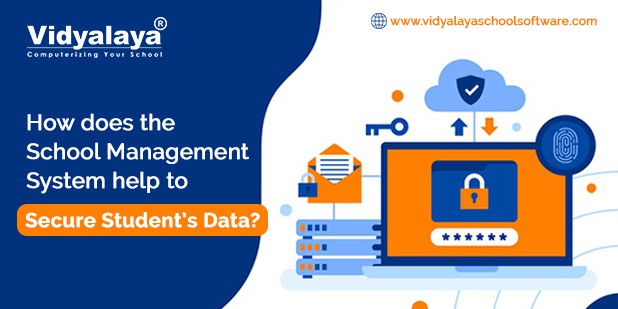
In terms of Student Data, it should be accessible only to authorized people. Weak access policies increase the risk of this information being accessed or used improperly.
Using role-based access would allow schools to ensure that administrators, teachers, students, and other users have only access to the information they need for their purposes.
3. Lack of Transparency
Often, neither students nor parents are informed about how information is used by AI technology.
AI Privacy Issues Schools Should Consider
There’s no universal answer to the problem of AI Privacy Issues. Schools must use a mixture of technology, policies, and staff education.
Some of the significant issues concerning AI in privacy are as follows:
Ownership of the information:
Schools should know who owns the data they share with AI systems and what rights the provider has to this data.
Length of storage of the information:
Institutions need to know how long data stays in storage and whether the data can be permanently deleted.
Training of the AI model:
Schools must determine whether information submitted for their AI services can be reused in training and improvement of any other AI model.
Security of the data:
Encryption, secure identification and access verification, and performance of regular security checks can help reduce the risk of unauthorized access to the information.
Protecting Student and Educator Data Privacy
Safeguarding Student and Educator Data Privacy necessitates collaboration among the administration of the school, IT staff, educators, and applications vendors.
Schools must set precise policies concerning:
- The kind of information these systems can hold
- The user authorized to access data
- Duration of retention of such data
- The reporting of privacy breaches
- Some actions to be taken by the staff related to the use of third-party AI solutions
The staff training is also essential. No matter how advanced the systems of protection are, they will lose their effectiveness if people share secrets with inappropriate platforms.
The Future of AI Privacy in Schools
AI technology integration and implementation into educational systems, including Learning Management Systems, various assessment tools, and administrative software is expected to grow. The higher the rate of implementation of advanced AI technologies, the more pressing becomes the issue of AI privacy in education along with AI functionality.
Thus, it is not necessary for educational institutions to avoid utilizing AI in their activities for the sake of protecting student data. More importantly, educational institutions must have relevant procedures for evaluating and implementing AI solutions they plan to use.
The privacy-oriented approach may come under the lens of secure infrastructure, limited access, clear policies, training of employees, assessment of vendors, and constant observation.
Conclusion:
Securing student data in an AI-driven era is not about slowing down digital adoption—it is about choosing foundational architecture that builds trust by design. When data ownership is clear, retention policies are automated, and role-based access is strictly enforced, schools can embrace personalized learning and administrative automation without exposing their campus to regulatory fallout or security gaps. Transitioning to a privacy-first educational framework transforms data protection from a reactive compliance burden into a core institutional advantage.
At Vidyalaya School Software, we bridge the gap between innovation and safety by embedding enterprise-grade security, granular data governance, and transparent controls directly into your campus management ecosystem. Empower your leadership, protect stakeholder trust, and scale your digital capabilities with confidence. Ready to future-proof your institution’s data? Contact us for a free demo today.