










 /
5.0
Rating
/
5.0
Rating

 /
4.9
Rating
/
4.9
Rating









 Lets Talk Ai


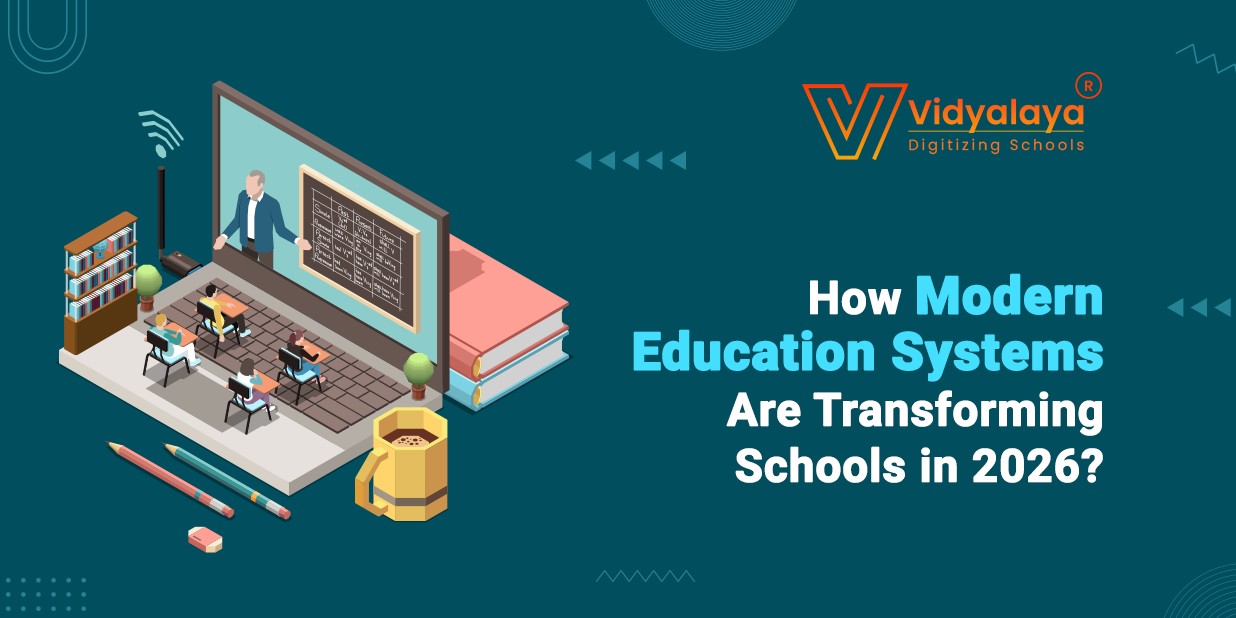
The modern education system in 2026 has moved far beyond traditional classrooms and manual administrative processes. Schools are increasingly adopting digital tools, smart teaching methodologies, and school management software to build efficient, technology-driven learning environments. This shift is not just about improving academic delivery but also about enhancing operational efficiency, transparency, and communication across the institution. As education evolves, technology has become a critical foundation for creating scalable and future-ready schools.
Today’s schools are evaluated not only on academic performance but on their ability to deliver personalized learning experiences, streamline school operations, and prepare students for real-world challenges. The growing demand for flexibility, accessibility, and data-driven decision-making has accelerated the adoption of education management software. This digital transformation marks a new era in education, where innovation, automation, and intelligent school management systems play a vital role in shaping the schools of tomorrow.
What Defines a Modern Education System in 2026?
An ideal education system today combines technology with teaching to produce a complete learning environment. It aims at:
- Student-centered learning approaches
- Digital classrooms and smart infrastructure
- Data-driven academic and administrative decisions
- Continuous teacher development
- Uninterrupted communication between all stakeholders
Compared to the conventional education system, the present education system is adaptable to changes and aims to excel as well as train students to acquire life skills.
Rise of Digital and Smart Education Systems:
The digital education system has become the backbone of modern schooling. From online resources to automated administration, digital tools help schools operate efficiently and transparently.
Key elements of smart education systems include:
- Digital classrooms and interactive content
- Online assessments and evaluations
- Centralized academic and administrative management
- Real-time access to data and reports
- Integration of learning and school operations
Smart education systems cut down on the human workload, increase accuracy, and enable educational institutions to devote more resources to instruction.
Contemporary Learning Approaches Influencing Learning Outcomes in 2026:
The teaching styles in the year 2026 are aimed at encouraging comprehension, creativity, and application, and not memorization.
Among the many contemporary teaching approaches that have been widely accepted are the following:
- Activity-based and experiential learning
- Case-based and problem-solving approaches
- Collaborative and peer learning
- Project-based assessments
- Blended learning models
These methods encourage critical thinking, participation, and deeper engagement while catering to diverse learning styles.
Why Technology Matters in the Future of Education?
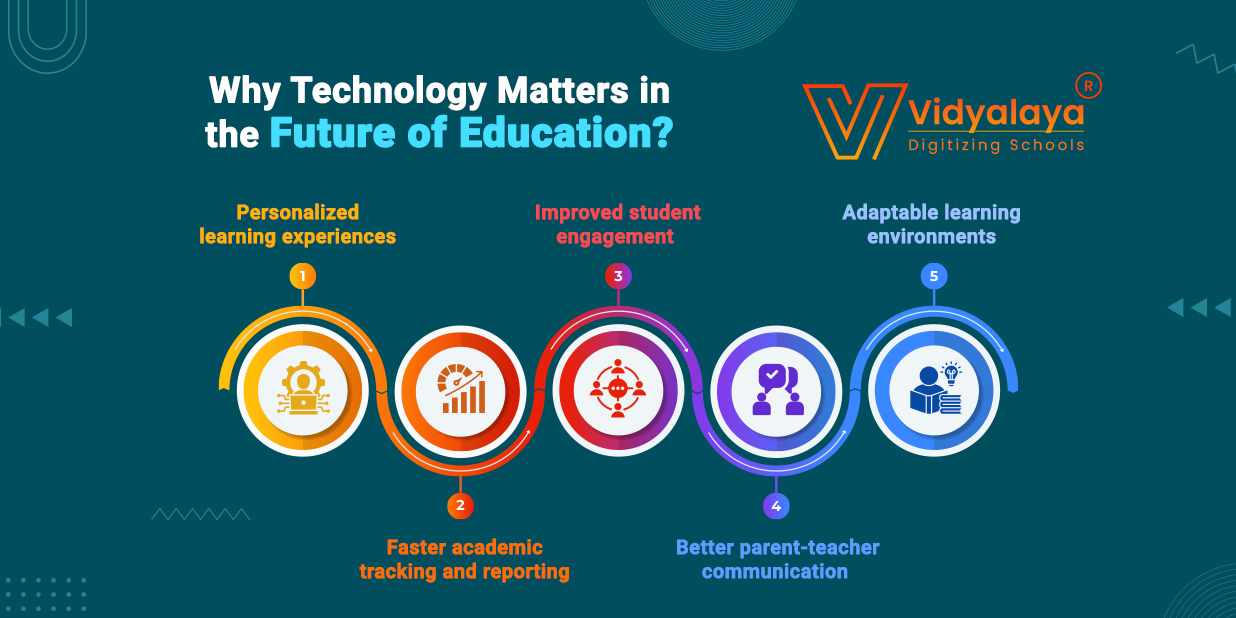
Technology is not replacing teachers but rather empowering them. The future of the education system will be shaped by how well schools use technology to support teachers and learners.
Advantages of technology-based education include:
- Personalized learning experiences
- Faster academic tracking and reporting
- Improved student engagement
- Better parent-teacher communication
- Adaptable learning environments
Schools that adopt technology early are better positioned to handle future challenges and evolving educational demands.
Role of Education Management Software in School Transformation:
While teaching methods evolve, school operations also need modernization.
It helps schools by:
- Managing student information centrally
- Automating attendance, exams, and reports
- Tracking academic performance and progress
- Simplifying fee and finance management
- Enhancing communication across departments
By reducing paperwork and manual effort, schools gain more time to focus on quality education and strategic planning.
Challenges Schools Face Without Modern Systems:
Schools that rely on outdated methods often face issues such as:
- Inefficient administrative processes
- Data duplication and errors
- Limited visibility into academic performance
- Poor communication with parents
- Difficulty adapting to new education policies
Modern systems address these challenges by providing integrated, scalable, and transparent solutions.
How Modern Education Systems Benefit All Stakeholders?
For Students:
- Engaging and interactive learning
- Access to resources anytime, anywhere
- Better understanding through practical learning
For Teachers:
- Simplified academic management
- Access to student insights and analytics
- More time for teaching and mentoring
For School Administrators:
- Centralized control and reporting
- Data-driven decision-making
- Improved operational efficiency
For Parents:
- Real-time updates on student progress
- Transparent communication
- Stronger involvement in education
Conclusion:
As schools continue to evolve in 2026, adopting a modern education system powered by technology is no longer a choice—it is a strategic investment for long-term growth and sustainability. Institutions that leverage school management software gain a competitive advantage by improving academic delivery, optimizing administrative workflows, and enhancing communication with parents, teachers, and students. Embracing digital transformation enables schools to operate more efficiently while delivering a high-quality, future-ready learning experience.
Vidyalaya School Software is designed to support schools at every stage of their digital journey by providing a secure, scalable, and user-friendly school management solution. If you are looking to modernize your school operations and stay ahead in today’s competitive education landscape, contact us today for a free demo and discover how Vidyalaya can help transform your institution into a smart, efficient, and future-ready school.