









 /
5.0
Rating
/
5.0
Rating

 /
4.9
Rating
/
4.9
Rating









 Lets Talk Ai


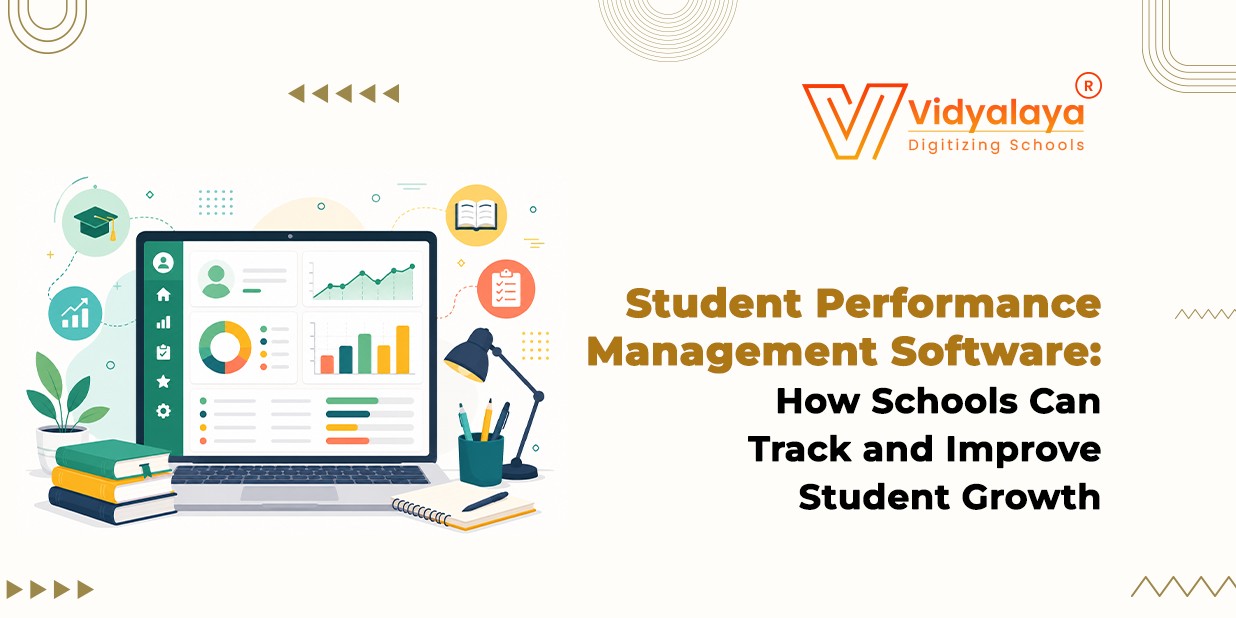
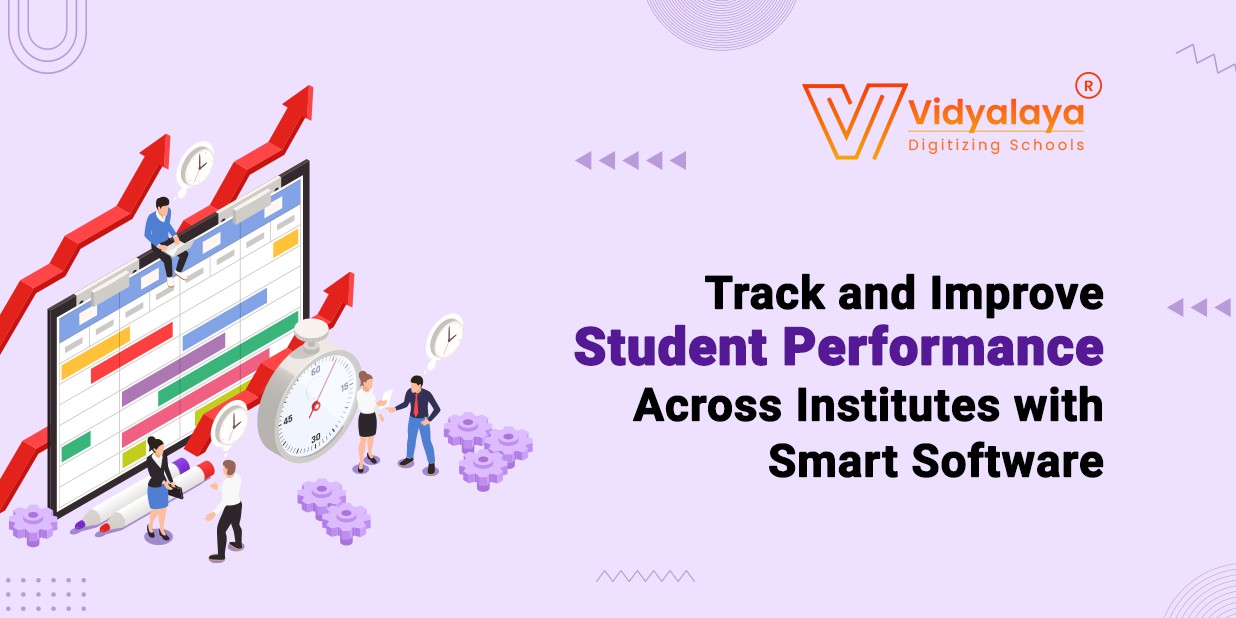
Student performance is no longer measured solely by examination results. Modern schools need a comprehensive approach to evaluating academic achievement, classroom participation, attendance, behavior, skill development, and overall learning progress. Student Performance Management Software serves as a student performance system that helps educational institutions gain real-time insights into student progress, identify learning gaps, and make data-driven decisions that improve academic outcomes. As schools continue to embrace digital transformation, adopting a centralized system for monitoring and evaluating student growth has become essential for delivering quality education.
With the rapid adoption of digital learning and hybrid classrooms, educational institutions require advanced technology to streamline assessment and progress tracking. A centralized student performance tracking system enables teachers, parents, and school administrators to collaborate effectively, ensuring transparent communication and continuous monitoring of every student’s development. By leveraging intelligent reporting, performance analytics, and actionable insights, schools can enhance student engagement, improve learning outcomes, and build a stronger foundation for long-term academic success.
What is Student Performance Management Software?
The Student Performance Management Software acts as a platform to help schools in their academic activities and monitor their levels of achievement. It obtains data from all exams, assignments, attendance records, classroom activity, and other activities.
The Student Performance Management Software has become very popular among schools and educational institutions because it provides real-time analytics in contrast with standard spreadsheets and paper records.
These systems can:
- Enable schools to track the achievements of students over time.
- Keep track of attendance and classroom activities.
- Record assessment data.
- Create performance reports.
- Analyze students in need of help.
Why Schools Need Student Performance Tracking?
Today’s educational framework concentrates on continual enrichment instead of solely relying on final exams. Thanks to the Student Performance Tracking Software, instructors can constantly keep track of their students’ advancement and make the right evaluations.
Rather than waiting for annual finals, instructors now can spot failing students and provide individualized assistance at an early stage before they fall too far behind.
The benefits for schools include:
- Advancement of academic development.
- Measurement of effectiveness in teaching.
- Decrease in student dropouts.
- Facilitation of data-driven decision making.
- Increased communication with parents.
This proactive attitude results in better student performance and easier management of classrooms.
Key Features of Student Performance Management Systems:
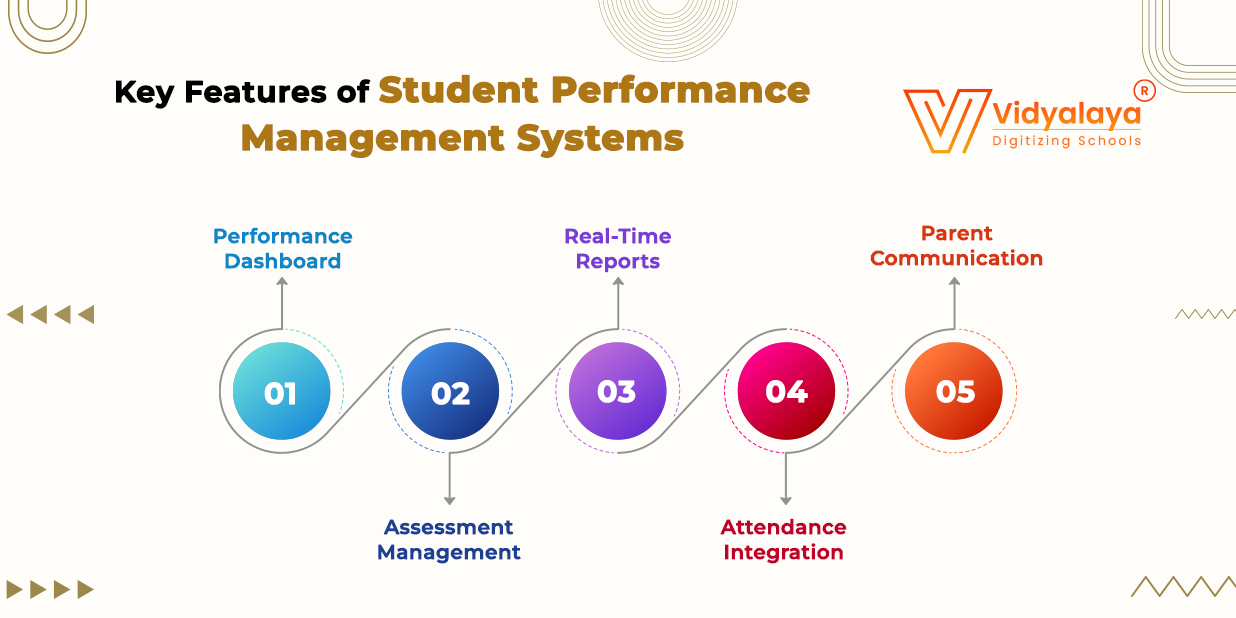
An effective Student Performance Management System provides a lot more than tracking test results. The system has powerful functionality to track and assess student development.
- Performance Dashboard: The user-friendly dashboards provide information about the students’ marks, attendance, subject progress, and other academic performance data.
- Assessment Management: With the help of integrated Student Assessment Software, schools can design tests, home assignments, labs, and exams with automatic recording of the results.
- Real-Time Reports: Teachers and administrators can download customized reports in a minute rather than spending hours creating them.
- Attendance Integration: With this software, attendance data is linked to the academic performance, which enables identifying the impact of absenteeism on learning results.
- Parent Communication: Parents receive timely information about their children’s academic progress, results of tests, and students’ attendance, which encourages the participation of parents in the learning process.
Benefits for Schools, Teachers, Parents, and Students:
Deploying Academic Performance Software provides value for all participants in education.
For Schools:
Schools achieve comprehensive insights into students’ performance throughout their studies. School administration can evaluate how certain classes perform and compare the results of students across different subjects.
For Teachers:
Teachers devote their time to teaching rather than managing records. They benefit from analytics that can help assess strengths and weaknesses of each student in the class.
For Parents:
Parents receive periodic updates from the school, instead of waiting for report cards. They can communicate with teachers about how to help their child at home.
For Students:
Students are given feedback continuously, so they know what areas they need to work on the most.
How Student Assessment Software Improves Learning?
Using assessments is crucial for evaluating educational outcomes. Otherwise, doing assessments by hand takes a long time and increases the likelihood of mistakes.
With current Student Assessment software programs, assessment development, grading, report preparation, and performance evaluation is possible to automate.
The main benefits of this program are:
- Quick evaluation process.
- Immediate score computation.
- Subject-based performance evaluation.
- Individual learning recommendations.
- Lower administrative burden.
With such information, teachers will be able to determine the topics that students had difficulties with and adjust their lessons.
Choosing the Right Academic Performance Software:
When choosing Academic Performance Software, it is important to evaluate the requirements of the school. The software should be easy to operate for teachers and management while allowing the development of the institution’s performance over time.
Before finalizing a decision, consider the following features:
- A user-friendly interface.
- Dashboards and real-time analysis.
- Customizable report cards.
- Integration of attendance and examination records.
- Parents and students’ portals.
- Secure cloud storage.
- Accessibility from mobile devices.
- Integration with the existing School ERP or LMS.
The solution should also ensure the availability of tech support, software updates, and high-level data protection of systems for stable operation in the long run.
Conclusion:
As education continues to evolve, schools need more than traditional evaluation methods to support student success. A modern student performance management solution enables educational institutions to gain real-time insights, make data-driven decisions, and strengthen collaboration among teachers, parents, and administrators. By automating performance tracking through a student performance monitoring system and providing actionable analytics, schools can improve academic outcomes, enhance operational efficiency, and create a personalized learning experience for every student.
Vidyalaya School Software offers a comprehensive platform designed to simplify student performance tracking, streamline assessments, generate insightful reports through student performance analysis software, and strengthen parent-school communication. Whether you’re looking to improve academic monitoring or optimize school operations, our solution can help your institution achieve better educational outcomes. Contact us today for a free demo and discover how our software can support your school’s long-term growth and success.