










 /
5.0
Rating
/
5.0
Rating

 /
4.9
Rating
/
4.9
Rating









 Lets Talk Ai


We all never forget the memories of collecting our report cards, the anxiety, and the ups and downs. Some used to get scolded for their performances, and some got honours. But all was merely dependent on the scores secured in the academic exams. Where were the scales to measure the pupil’s improvement in behaviour, strengths, or weaknesses? So, the report card was all about the grades and performance in written/oral exams. Was all this enough? No, and that’s why a Holistic progress card is a crucial necessity of today’s education system.
What is a Holistic Progress Card?
A holistic progress card is a detailed report card that assesses students not only on academic performance but also on their social, ethical, and emotional skills. It is much beyond the traditional academic assessments and captures different facets of a learner’s development. It is a 360-degree assessment system that touches on various aspects of learner development and learning experience.
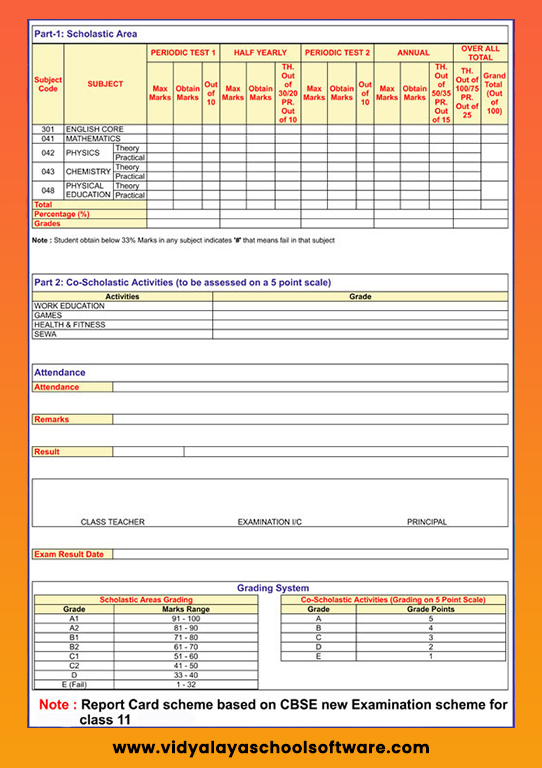
Here is an example of a holistic report card sample:
Aspects of a Holistic Report Card:-
A holistic report card encompasses several key aspects that transform the assessment process. Here they are:
Inclusive:
This report card promotes inclusiveness as it considers different learning styles, interests, and capabilities. It addresses individual strengths and weaknesses and identifies the personalized scope of improvement. This inclusive learning ecosystem nurtures comprehensive growth and development.
Holistic:
As the name suggests, the holistic progress card touches on different aspects of the learner’s development. Going beyond the traditional academic achievements, this approach brings holistic developments and incorporates social, socio-emotional, and physical development aspects into performance evaluation.
Diversity:
The holistic report card honours different forms of knowledge and recognizes various aspects, skills, and capabilities. It also values the significance of a wider canvas of talents, inclusive of linguistic, interpersonal capabilities, artistic, and emotional thinking, etc.
Joyful:
Eliminates the pressure aspect from the learning development process and ensures the journey is joyful and affirmative. It understands the value of a positive, engaging, and joyful learning ecosystem that will help students grow without any doubt.
How does a Holistic Report Card enhance student learning & Performance evaluation?
Let us understand some key features to know how they contribute to student learning improvement and performance evaluation:
1. Student Self-Assessment:
This encompasses the total child and doesn’t assess the learner on marks. Other factors like emotional intelligence, sports, physical health, social skills, creative thinking, etc, are assessed to measure performance.
2. Teacher and Peer Feedback:
A holistic report card is a 360-degree evaluation approach, followed by understanding the role of the teacher in student assessment. It enables teachers to assess students across different dimensions, such as attention, empathy, preparedness, creativity, thinking, etc. This teacher-peer feedback, based on these factors, helps students to be aware of their strengths and weaknesses and helps teachers to work on those areas.
3. Formative Evaluation:
It encourages ongoing learning and growth by testing the other core factors like critical thinking,g, analysis, emotional thinking, etc. This helps to evaluate overall development and work on gap areas.
4. Competency-based assessment:
Assessments in this approach are crafted to meet learning goals, skills, and attitudes regarding each subject and grade. This method focuses on learning outcomes rather than rote memorization.
5. Active Participation:
This encouragement can nurture different interests like gardening, art, dance, storytelling, games, etc., other than academic preferences. Having active participation in such activities can boost mental health, which eventually helps students to perform better in academics, too.
6. Better communication between parents and teachers:
Learning is an outcome of the joint efforts of parents, teachers, and students. This collaboration provides a better platform where teachers and parents can share their views about students’ progress, set common goals, and hold open communication sessions.
How can HPC software help in student learning?
A well-designed HPC software integrates all these features and facilitates educational institutes to streamline. A joint contribution of joint teams, teachers, and school administration, along with such tools, can create a fruitful environment that fosters the comprehensive growth of each learner. Here are the ways that tell how HPC software can help you in this process:
- The HPC software provides multiple templates available for institutes to customize according to their requirements.
- Teachers and administrators can use a simple and user-friendly interface to ease the process.
- Teachers and school administrators can access the cloud-based HPC software from anywhere, anytime.
- Schools can generate insightful reports, setting different parameters and gaining insights into students’ development with detailed analytics.
Conclusion:
According to the NCF 2022, student learning and performance evaluation should not be merely based on the academic report card. It transforms classrooms into nurturing environments for comprehensive student growth. When it is integrated with a smart curriculum, education becomes dynamic and technology-driven. NEP 2020 aims for comprehensive growth and academic proficiency, making HPC Software a handy tool for educational institutes.
Vidyalaya, a leader in the domestic and global education sector, follows the roadmap issued by NCF 2022 for implementation and continuous boost for community engagement, real-time feedback, and fruitful training. Collaborate with us and empower your institute to create a learner-centric ecosystem with our progressive products. Let the holistic report card tell more than the numbers!