










 /
5.0
Rating
/
5.0
Rating

 /
4.9
Rating
/
4.9
Rating









 Lets Talk Ai


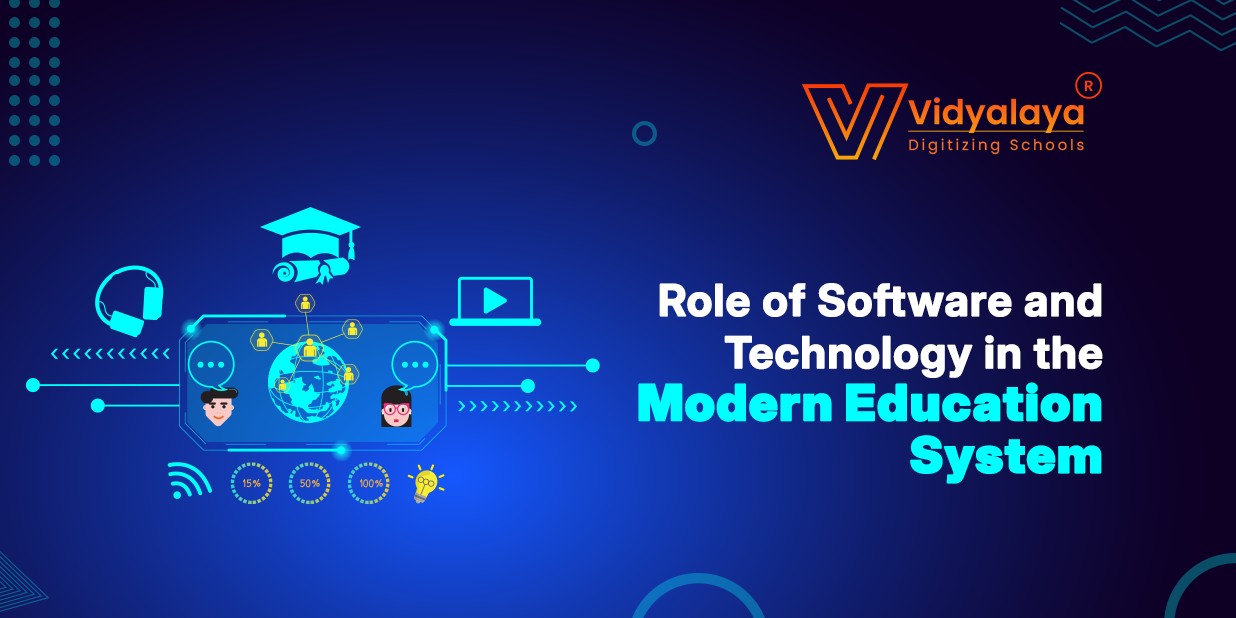
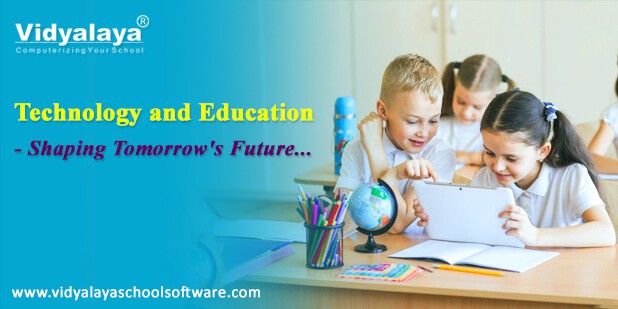
The education sector is one of the biggest areas that has greatly integrated technology into daily learning, administration, and communication. In addition, students of this modern generation are born to grow up in a digital world; hence, schools need to evolve and move forward accordingly. Technology is now at the center of teaching, grading, collaboration, attendance, reporting, and communication with parents.
From delivering lessons digitally to online assessments and automation of school operations, the integration of technology is no longer optional but has become an integral part. This blog explains how software and digital tools are making schools more organized, efficient, transparent, and adaptable to 21st-century learning demands.
Evolution of the Modern Education System:
Whereas earlier, schools relied more on the use of a handwritten report, attendance in registers, and notices, today’s modern education system is hugely advanced with the amalgamation of:
- Digital learning tools
- Automated school operations
- Smart classroom technologies
- Online access to resources
- Seamless school-parent communication
This has opened the door to customized learning, the development of student-centered learning, and the effective management of schools. Without distance or physical barriers, education is also more accessible and interactive.
Importance of Modern Teaching Methods:
Teachers in modern times employ strategies that ensure collaboration, creativity, and hands-on activities.
Technology supports these various current approaches as follows:
- Interactive digital content enhances comprehension
- Smart boards and videos make lessons engaging
- Online quizzes and assessments offer immediate feedback.
- Project-based learning tools help students develop real-life skills
- Gamification enhances student motivation
Modern teaching methods, along with software tools, save the teachers’ time, maintain accuracy, and help teachers concentrate more on the students rather than on paperwork.
Creation of an Innovative Education System through Technology:
An innovative education system meets new challenges and prepares pupils to rise to newer challenges. Technology aids in attaining this by offering:
- AI-powered analytics for learning progress tracking
- Virtual classrooms supporting distance learning
- 24 x7 Digital libraries
- Automating administrative workflows
- Cloud-based storage for secure academic records
The integration of technology in schools allows for speedy decision-making, easy access to learning resources, and effective management.
Benefits of a Future-Ready Education Model:
A future-ready education system focuses on making students independent learners, critical thinkers, and technology literate. The benefits are:
- Better Student Performance: Digitally supported lessons help students understand concepts faster and retain them longer.
- Accessibility & Convenience: The students can access notes, homework, and other learning resources from anywhere and at any time.
- Higher teacher productivity: Using automated systems (such as attendance, report card production, and timetable management) will free up teachers’ workloads.
- Improve Collaboration: Parents, teachers, and students can communicate instantly through digital platforms.
- Data-Driven Decision-Making: Using school data allows school administrators to make informed decisions about improving teaching and allocating resources.
How School Management Software Strengthens the Modern Education System?
School Management Software plays a central role in supporting all digital learning and administrative functions. It works as the backbone of the school ecosystem by:
- Automate daily operations: Attendance, fees, examinations, timetable creation, and communication are handled digitally and accurately.
- Centralization of Student Information: All student records, including academic performance, behavior logs, and medical history, are stored securely.
- Strengthening Parent-School Liaison: Parents get instant updates on attendance, homework, announcements, and results.
- Supportive Teachers: Teachers can upload study material, conduct assessments, assign homework, and track student progress.
- Improved Transparency: Every activity—from fee payments to exam reports—is accessible in real time to authorized staff.
Barriers to Technology Adoption in Schools:
While technology enhances efficiency, many schools at first falter on:
- Resistance to change
- Lack of training for teachers
- Costs of Implementation
- Technical maintenance
- Data security concerns
However, with proper guidance and long-term planning, schools can overcome these challenges and enjoy long-term benefits.
Conclusion:
Technology has quietly but powerfully reshaped the backbone of schools—turning routine tasks into automated workflows, transforming classrooms into interactive spaces, and connecting teachers, parents, and students like never before. But to truly harness the value of digital advancement, schools need more than scattered tools; they need a centralized system that brings every academic and administrative function under one intelligent platform. This is exactly what a modern School ERP Software delivers.
Vidyalaya School Software enables institutions to move beyond manual work and fragmented processes. With smart automation, real-time communication, secure data management, and AI-driven insights, Vidyalaya helps schools operate with unmatched clarity and efficiency while supporting students’ learning journeys. If your school aims to become more organized, transparent, and future-ready, now is the right time to adopt a comprehensive School Software.
Contact us today for a free demo and discover how Vidyalaya Software can simplify your operations and elevate your school’s performance.