










 /
5.0
Rating
/
5.0
Rating

 /
4.9
Rating
/
4.9
Rating









 Lets Talk Ai


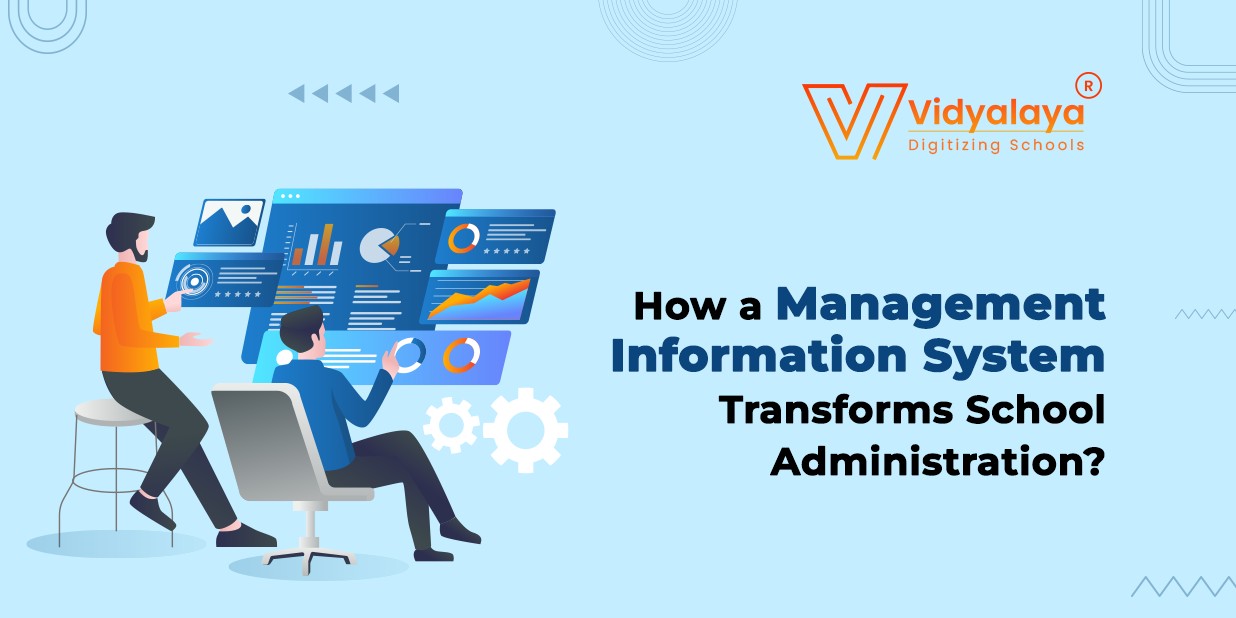
School administration today is so much more than classrooms and curriculum — it’s all about smart management of data, communication, and decision-making. A Management Information System (MIS) transforms how a school functions, making such functions seamless by bringing all areas of administration to a single electronic platform. Whether tracking attendance, handling staff, storing student data, or tracking performance, an Education Management Information System empowers schools to think smarter and be more productive. Management information systems for schools provide an integrated approach to managing these essential administrative functions efficiently.
In the modern digital age, schools are moving away from paper registers and spreadsheets and towards school management software that gives instant access to information. An effective MIS for schools integrates technology, analytics, and automation and enables smooth coordination between different departments. It is also an information system for students, safely storing all academic and administrative information while allowing schools to make informed, data-driven decisions. A school management system further supports this integrated approach by helping schools manage their day-to-day administrative and academic operations from a centralized platform.
Essentially, an MIS Software works like the school’s brain — processing, analyzing, and organizing data to improve planning, communication, as well as performance. As per EdTech studies, educational institutions implementing management systems experience up to a 40% increase in administrative effectiveness and a 50% decrease in manual errors. This reflects how essential MIS tools have become for contemporary education. A school management information system also helps bring key school processes together, making it easier to organize information and support efficient administration.
This blog discusses how an MIS revolutionizes school administration, what its key advantages are, and how Vidyalaya’s cutting-edge platform enables schools to remain at the forefront of the digital learning era.
What Is a Management Information System in Education?
An Educational Management Information System is an organized computer solution that assists in gathering, processing, and managing school information. It is a centralized repository that assists school administrators, teachers, students, and parents in getting real-time information.
Chief operations handled by an MIS are:
- Admissions and enrollment tracking
- Attendance and timetable management
- Staff and payroll management
- Exam scheduling and results
- Communication with parents
- Financial and inventory reporting
In brief, an Education Management Information System is an all-in-one facility for effectively managing academic and administrative operations.
Why Schools Need an MIS System Today?
Managing schools manually can cause delays, miscommunication, and data inaccuracies. School management software or MIS helps reduce these problems by automating daily operations and improving collaboration between teachers, students, and administrators.
Some of the key reasons schools are implementing MIS systems are:
- The need for real-time decision-making based on accurate data
- Integration of all departments for better coordination
- Digital communication tools for parents and teachers
- Streamlined financial management and reporting
With increasing digital adoption, schools are recognizing MIS not just as software but as a strategic backbone of institutional management.
Benefits of MIS for Educational Institutions:
Implementing an MIS for educational institutions offers many advantages:
- Centralized Data Handling: All academic, staff, and student information is safely stored in a single location. This simplifies access as well as management.
- Improved Decision-Making: Real-time dashboards allow managers to examine data and make better, quicker decisions.
- Improved Efficiency: Automation assists in saving time by eliminating repetitive activities such as report generation, attendance marking, and communication updates.
- Transparent Communication: Teachers, parents, and students remain connected through integrated communication tools.
- Better Resource Utilization: The system helps schools track and manage financial, infrastructure, and human resources effectively.
Future of Management Information Systems in Education:
With the advancement of technology, the management of information systems is integrating artificial intelligence, cloud computing, and predictive analytics. MIS tools for the future will assist schools in anticipating trends, predicting students’ outcomes, and further enhancing decision-making.
Final Thoughts:
In today’s competitive and tech-driven education landscape, a Management Information System is no longer a luxury — it’s a strategic asset. From streamlining operations and reducing manual errors to enabling data-driven decisions and improving communication, an MIS empowers schools to function smarter and scale faster.
Vidyalaya School Software offers a powerful, all-in-one MIS System to meet the unique needs of modern educational institutions. Our platform not only automates key administrative tasks but also provides real-time insights that support growth, compliance, and operational excellence.
Whether you’re managing a single campus or a group of institutions, Vidyalaya helps you achieve better control, efficiency, and transparency. Book a Free Demo today and see how Vidyalaya can transform your school’s administration into a future-ready system.