









 /
5.0
Rating
/
5.0
Rating

 /
4.9
Rating
/
4.9
Rating









 Lets Talk Ai


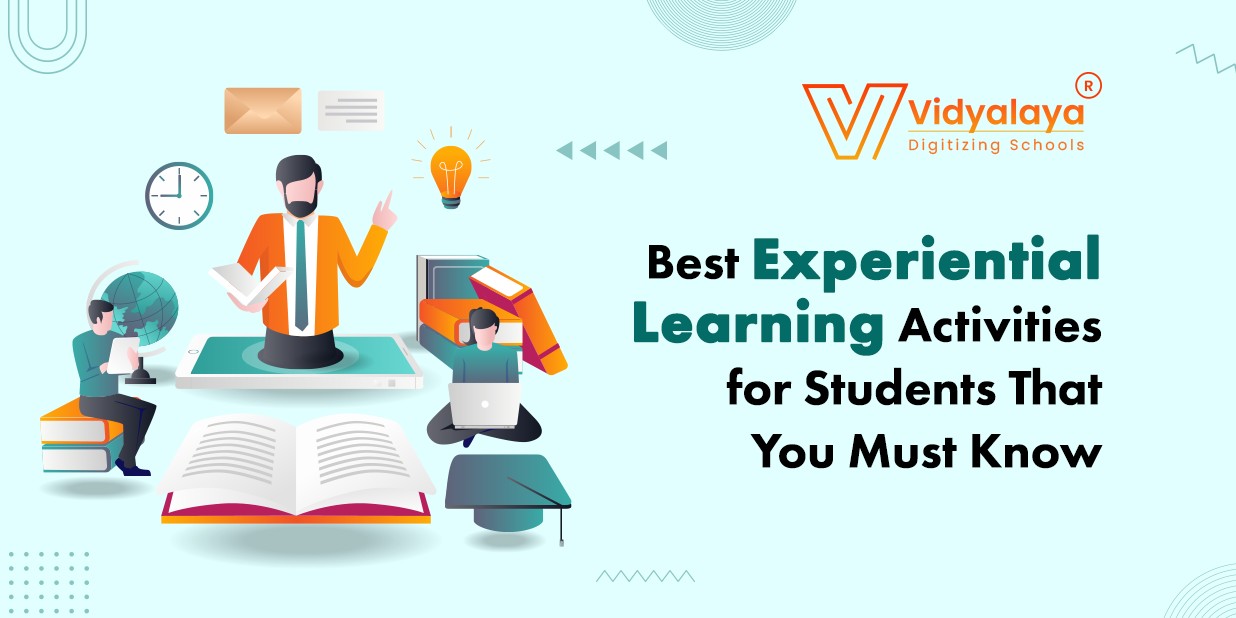
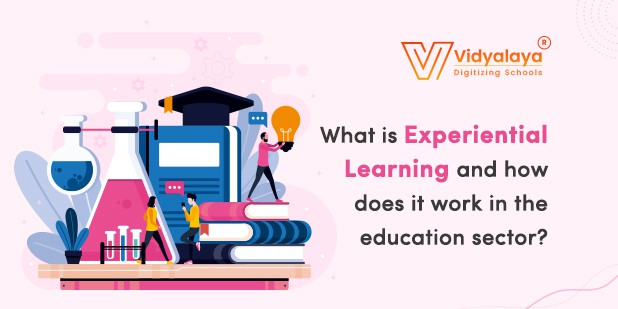
Have you ever sat in class and thought, “Is this really going to matter later?” I have. And I bet lots of students do too. That’s why experiential learning feels like a breath of fresh air—it’s the kind where you do things, not just read or listen.
Empower real-world learning with Smart School Management.
It’s simple: instead of having students memorize stuff, we give them chances to try stuff. Build something. Mess up. Fix it. Explore outside. Or shadow someone doing actual work. That’s the kind of learning that sticks, the kind that changes how you think.
When I say “experiential”, I’m talking about learning through experience. Not perfect. Sometimes it’s kind of messy. But always real.
Why Folks Are Getting on Board
Because sitting and listening doesn’t cut it for many. You learn more by doing. By failing and trying again. By seeing how things work in real life, not just in theory.
Lots of schools are trying experiential learning solutions now. Things like mini projects, internships, and outdoor sessions. Because they see the difference: students who seem bored in lectures light up when they’re doing something with their hands. When they can see the result of what they built or planned.
Why This Stuff Actually Matters?
After school, life will test you. Not with pop quizzes. With problems you didn’t plan for. You’ll need to talk with people, juggle tasks, and adapt when plan A doesn’t work. You need those skills.
Hands-on learning builds those muscles. It teaches resilience, creativity, and confidence. It helps students understand that mistakes aren’t the end—they’re part of getting better.
Also, everyone learns differently. Some people need visuals. Some need to be built. Some need to ask questions aloud. This way, more students get a chance to connect with the material in their own way.
Real Experiential Learning Activities for Students That Rock
Here are some ideas I’ve seen work or tried myself. Maybe one of these will spark something in your class or school.
- Project-based learning: Where students come up with something that matters to them. Example: make a plan to reduce plastic in school, design something that helps people in your town, or build a small robot. They plan, fail, succeed, and reflect.
- Field trips, but with a purpose: To take students to places where they can poke around, ask questions, and test things. Not just look at things, but interact. Like walking along a riverbank, doing water tests.
- Community Stuff: Volunteer, clean up, and tutor younger kids. Students see impact. They see that what they do changes something.
- Job shadowing or Short Internships: Even a day with someone doing a job that students think is powerful. You see what work really feels like.
- Maker / DIY projects: Build models, tinker with electronics, cook up something, craft, and create art installations. Let students get their hands dirty. Let things fail. Let them fix it.
- Outdoor Learning: Nature walks, gardens, bird watching, and plant experiments. Getting outside changes the mindset. Fresh air, fresh thinking.
Final Words:
Experiential learning helps students grasp concepts more deeply, develop critical thinking, and engage meaningfully with their education. However, organizing and managing these dynamic activities can be challenging without the right tools.
That’s where Vidyalaya School Software comes in.
Our all-in-one school management system helps you seamlessly schedule, track, and evaluate experiential learning activities—from field trips and workshops to science fairs and project-based assessments. With features like real-time student performance tracking, communication tools, and custom reporting, your school can focus more on learning outcomes and less on administrative hassles.
Want to see how Vidyalaya can transform your school’s learning ecosystem?
Schedule a Free Demo today and take the first step toward smarter, more engaging education.