










 /
5.0
Rating
/
5.0
Rating

 /
4.9
Rating
/
4.9
Rating









 Lets Talk Ai


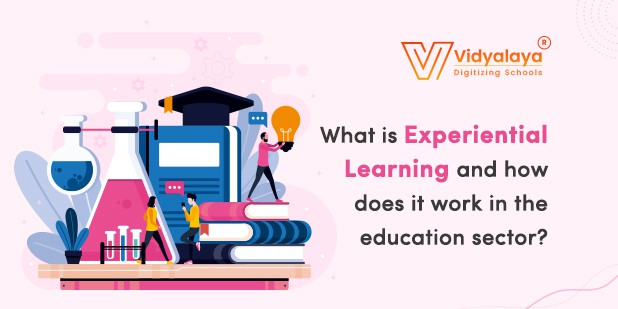
Over the past few years, school has gone through one of the biggest changes it has ever seen. Our classrooms were all about teachers giving a lot of lectures, but now we have school by technology, smart screens, and online tools that help the lesson come to life. But even with all that new tech, one idea still beats all when it comes to good teaching: Experiential Learning. Students are unable to learn more when they experience it, not just memorize it.
Technology has not taken away this as it has made it get stronger this philosophy, weather it is simulations, virtual labs, or activity creation tools, technology will make teachers work to plan activity based learning easier and smoother and that is where the magic is, students will start to go out and explore, experiment and find a lot more joy to subjects that might not have been fun or interesting anymore, they will get people to learn more.
Why Experiential Learning Is So Valuable Today?
The world needs more than just book learning. How to do things with your hand is what bosses want, like work, talk, think, and do new things, and change what you do. When kids learn by doing, not just sit and listen in class, then they will get these skills and do them with their hands.
That’s why the Experiential Learning Benefits are more important than ever:
- Students retain knowledge longer
- They understand how to apply concepts in real life
- They gain confidence through practical engagement
- Learning becomes personal, not forced
Technology as the Bridge Between Theory and Practice:
One of the biggest challenges in education has always been connecting theory with real experience. Technology changes completely. Virtual labs help students conduct experiments without laboratory constraints. Simulations let them practice engineering or business scenarios as many times as they want. Even simple interactive tools help turn abstract concepts into hands-on experiences.
This is the heart of activity-based learning—students don’t just listen; they DO. And each action strengthens their understanding, encourages curiosity, and shapes how they think.
Role of Learning Management Systems:
Told you the LMS slowly became one of the most used things in school. It collects all work in one place. The LMS holds everything from seminars to lessons and quizzes to work with others and reflections.
A strong LMS helps teachers:
- Design activity-based learning projects
- Track learner progress
- Analyse performance
- Personalize learning paths
How Technology Supports Experiential Learning?
Aspect of Learning |
Traditional Approach |
Tech-Enhanced Experiential Learning |
| Engagement | Listening, note-taking |
|
| Practical Skills | Limited real practice |
|
| Feedback | Slow, manual |
|
| Learning Outcomes | Mostly exam-based |
|
| Student Role | Passive |
|
Building a Culture of Activity-Based Learning:
Experiential learning is not solely created by technology—this is done by teachers and education systems. There needs to be encouragement of students to be curious, to experiment, to collaborate, and to discover. Even many small steps help improve upon this type of learning, such as providing opportunities for students to select project topics, collaborate with others in small groups, develop prototypes, or create digital portfolios. When students feel ownership of their learning, everything changes.
Future of Experiential Learning:
Experiential Learning will continue to grow due to AR/VR/AI-driven learning tools and simulation tools. AR technology will allow students to have an immersive experience while exploring the past, building 3D models using hand gestures, as well as conducting experiments in Virtual Lab environments that have the appearance of being real. But the essence remains the same: Experiential Learning is about learning by doing, and technology simply opens the door to more creative, accessible, and meaningful experiences.
Conclusion:
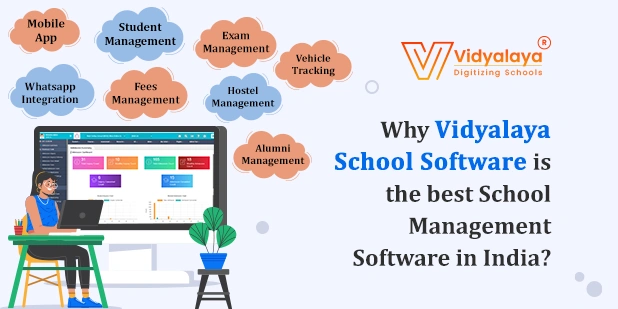
Experiential learning is no longer just an educational ideal—it’s a practical necessity for schools aiming to prepare students for real-world challenges. Vidyalaya School Software helps schools turn this philosophy into reality by streamlining activity-based learning through our powerful Learning Management System. Our platform allows teachers to design interactive lessons, track student progress, manage assignments, and measure outcomes efficiently, all while fostering hands-on engagement that makes learning memorable and meaningful.
With Vidyalaya, schools can bridge the gap between theory and practice, giving students the chance to experiment, collaborate, and build skills that matter beyond the classroom. By integrating technology thoughtfully, schools not only enhance learning experiences but also improve operational efficiency, giving teachers more time to inspire curiosity and creativity. Empower your school with the tools to make experiential learning actionable, measurable, and transformative.
Contact us today for a free demo and see how Vidyalaya can transform learning in your school.